
Exploring the mind Psychological triggers behind gambling behavior
The Psychology of Risk and Reward
The allure of gambling lies primarily in the psychological dynamics of risk and reward. When individuals engage in gambling, they often experience a rush of adrenaline, which can lead to heightened excitement. This sensation is rooted in the brain’s reward system, where the anticipation of winning triggers the release of dopamine, creating feelings of pleasure. As players explore options, they may also consider a real money online casino in australia that offers various games. This neurological response can motivate individuals to gamble more frequently, even when the odds are not in their favor.
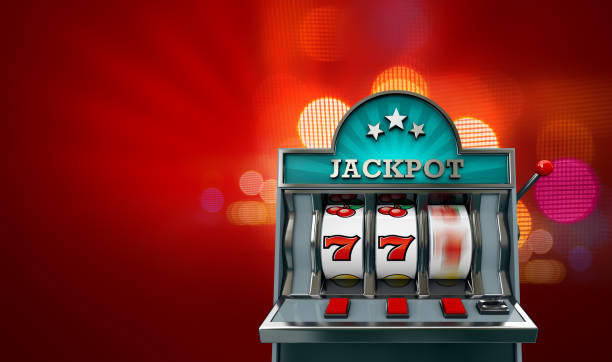
Moreover, the brain’s tendency to overvalue potential rewards compared to the risks involved can skew decision-making. Gamblers often fall into the trap of chasing losses, believing that a win is imminent after a series of losses. This cognitive bias not only perpetuates gambling behavior but can also lead to significant financial and emotional distress.
The Influence of Social Factors
Social dynamics also play a crucial role in shaping gambling behavior. Many individuals are influenced by their social circles, where gambling may be viewed as an acceptable or even desirable activity. Peer pressure, social validation, and communal experiences at casinos can amplify the desire to participate in gambling, making it a shared recreational activity.
Additionally, the normalization of gambling through media and advertising has contributed to a culture where it is often romanticized. This portrayal can minimize the perceived risks associated with gambling and promote the idea that winning is more accessible than it is in reality. As a result, many individuals may underestimate their chances of losing, further entrenching their gambling habits.
Cognitive Biases and Fallacies
Cognitive biases, such as the illusion of control and the gambler’s fallacy, significantly influence gambling behavior. The illusion of control leads individuals to believe they have a greater influence over the outcome than they actually do, which is particularly prominent in games that involve some level of skill. This belief can encourage players to engage more frequently, as they think their decisions can improve their chances of winning.
The gambler’s fallacy, on the other hand, is the erroneous belief that past random events can influence future outcomes. For example, if a player sees a series of losses, they may feel a win is due, prompting them to continue gambling despite the odds remaining unchanged. These biases create a cycle of gambling behavior that can be difficult to break, as individuals remain entrenched in their misconceptions.
The Role of Emotions in Gambling Decisions
Emotional states can significantly impact gambling behavior, influencing when, why, and how individuals choose to gamble. Many gamblers use gambling as a form of escapism, seeking to alleviate stress, boredom, or negative emotions. In these instances, the act of gambling becomes less about the game itself and more about the emotional release it provides. This can lead to impulsive decisions that prioritize short-term emotional relief over long-term consequences.
Furthermore, when individuals experience a win, the emotional high can reinforce continued gambling behavior, creating a cycle of highs and lows. Conversely, losses can evoke feelings of frustration and sadness, leading to further gambling in an attempt to regain lost money or alleviate negative feelings. Understanding these emotional triggers is essential for addressing problematic gambling behaviors.
About Our Website
Our website is dedicated to providing valuable insights into the world of gambling, including the psychological triggers that influence behavior. We aim to educate readers about the various factors that contribute to gambling habits, promoting a better understanding of the psychological aspects involved. By exploring these themes, we empower individuals to make informed choices regarding their gambling activities.
Through comprehensive content and resources, we hope to foster a healthier relationship with gambling, encouraging responsible participation and awareness of potential risks. Whether you are a casual gambler or someone seeking to understand gambling psychology, our site offers valuable information tailored to meet your needs.