
Unlimited eSIM Data Plans That Never Slow You Down
Picture yourself stepping off a plane and instantly hopping on a video call, all without hunting for a local SIM card. An eSIM with unlimited data gives you that freedom by embedding a programmable chip directly into your phone, which you activate with a simple QR code scan. You get relentless, high-speed connectivity for streaming, navigating, and sharing in over 100 countries, with zero throttling or surprise fees. Just choose a plan, scan, and let your device handle the rest—no physical swaps, no contracts, just pure, boundless access.
Why Global Travelers Are Switching to Embedded SIM Cards
Global travelers switch to embedded SIM cards primarily for seamless, unlimited data access. With an eSIM, you avoid physical SIM swaps and local store visits when crossing borders; an unlimited data plan lets you use navigation, messaging, and video calls continuously without cost anxiety. The key advantage is constant connectivity in over 190 countries via a single profile. Q: Why choose unlimited data over capped plans? A: Unlimited data removes roaming headaches, letting you stream and work without mid-trip top-ups or speed throttling.
The core advantage of a digital SIM over physical plastic cards
The core advantage of a digital SIM over a physical plastic card is the elimination of hardware dependency. With an eSIM, you activate an unlimited data plan via software, meaning you never fumble with tiny cards or risk losing a chip while abroad. This digital nature allows instant carrier switching without needing to source a local store. You maintain a single device profile for multiple networks, which is critical when seamless connectivity is the goal.
What is the primary functional benefit of an eSIM versus a physical SIM? The primary benefit is the removal of the physical medium itself, enabling instant profile activation and network changes directly from your device settings, without any physical insertion or removal process.
How eSIM eliminates roaming fees across multiple countries
An eSIM eliminates roaming China eSIM fees across multiple countries by replacing expensive carrier roaming agreements with direct, local network access. When you land in a new country, your device connects instantly to a pre-selected local partner network, avoiding the per-megabyte or daily surcharges your home carrier would impose. This is possible because an eSIM removes the physical SIM and its associated international tariff structures. Instead of paying a single carrier inflated rates for global service, you purchase a regional or global data plan directly from an eSIM provider, which negotiates wholesale local rates. Consequently, you pay the same low price whether in Paris, Tokyo, or São Paulo, with no surprise roaming fees or daily activation costs.
Real-time activation and network switching without hunting for local stores
Real-time activation and network switching without hunting for local stores is a core advantage of eSIM unlimited data. Travelers avoid wasting hours locating a physical shop upon arrival; instead, they scan a QR code or tap an app to instantly activate a cellular plan from their departure lounge or hotel. If the primary network weakens, users can switch to a secondary profile in seconds through their device settings—no need to queue at another kiosk. This on-the-fly flexibility ensures continuous connectivity across borders without the logistical hassle of sourcing and swapping physical SIM cards.
- Activate a data plan remotely before or immediately upon landing
- Toggle between network profiles directly from phone settings
- Switch providers mid-trip to maintain optimal signal strength
- Eliminate physical store visits and SIM card hunting
Understanding the Cap of Unlimited Data Plans
When diving into esim unlimited data plans, understanding the cap is crucial because “unlimited” almost never means without limits. Most providers impose a high-speed data threshold—often between 10GB and 50GB—after which your connection is throttled to slower speeds, like 128 kbps. This soft cap means streaming video or large downloads becomes frustratingly slow. Always check the fine print for the exact high-speed data allowance before the throttle kicks in, as exceeding it can render your esim unlimited data plan unsuitable for heavy usage like video calls or gaming. The cap isn’t a hard block, but a shift to deprioritized or restricted speeds, so plan your data-heavy tasks within that initial quota for a smooth experience.
Fair use policies and throttling thresholds explained
Fair use policies define the specific data volume or usage patterns beyond which an eSIM provider may throttle your unlimited connection. Throttling thresholds, often buried in terms, trigger a reduction to slower speeds (e.g., 2G or 128 kbps) after you exceed a set cap—commonly 20–50 GB within a billing cycle. Unlike hard caps, this does not cut data, but it renders high-bandwidth tasks like video streaming impractical. Always check the fair use clause for the exact throttle point, as some providers apply deprioritization earlier during network congestion. Q: What happens if I exceed my eSIM unlimited plan’s throttling threshold? A: Your connection speed drops to a predefined lower rate, typically sufficient for messaging and web browsing but not for HD video or large file transfers.
Comparing truly unlimited offerings versus high-speed capped deals
When evaluating eSIM data plans, comparing truly unlimited offerings versus high-speed capped deals reveals a critical trade-off in user experience. A truly unlimited plan provides consistent access without a throttle threshold, ideal for constant streaming or hotspot use, whereas a high-speed capped deal delivers peak speeds (e.g., 5G) until the cap depletes, then drops to severely reduced rates. Practical throttling limits define the choice: users exceeding 20–50GB monthly benefit from the predictable performance of unlimited, despite potential deprioritization, while lighter users maximize value with a capped high-speed plan that avoids paying for unneeded capacity. The decision hinges on whether your priority is maintaining any connection speed or hitting brief peaks.
Truly unlimited plans sacrifice peak speed for sustained access, while high-speed capped deals trade continuous usability for short-term full-throttle performance—choose based on your typical consumption volume.
Typical speed limits after crossing monthly data allowances
Once you exhaust your high-speed monthly data allowance, typical speed limits for so-called unlimited eSIM plans drop to a throttled range between 128 Kbps and 1 Mbps. This reduced rate supports basic messaging and email but cripples video streaming, social media feeds, and real-time navigation. Some carriers enforce a stricter cap of 256 Kbps, while premium options hold at 512 Kbps for light browsing. The exact slowdown depends entirely on your specific eSIM provider’s fair-use policy, so checking the fine print before purchase is critical to avoid shockingly slow performance. Data throttling thresholds define your usable experience after the cap.
Typical speed limits after crossing monthly data allowances range from 128 Kbps to 1 Mbps, throttling all high-bandwidth activities to a near-crawl.
Top Providers Offering Truly Boundless Connectivity
For truly boundless connectivity via eSIM unlimited data, top providers like Holafly and Airalo offer distinct solutions. Holafly provides genuine unlimited data plans without throttling for typical usage, which is critical for heavy streaming or hotspot tethering while traveling. In contrast, Airalo’s unlimited options often include a fair usage policy threshold after which speeds drop, making them suitable for lighter users. For seamless global roaming, where one plan covers multiple countries without re-provisioning, Ubigi excels with consistent high-speed access. Always verify that the provider supports your device’s eSIM profile and offers native data prioritization, as this prevents connectivity drops during congestion. Choose based on your need for absolute throttling-free volume versus broad geographical coverage.
Airalo’s global pass with no data restrictions
For seamless browsing across multiple countries, Airalo’s global pass provides true unlimited data without throttling. Unlike plans that cap speed after a threshold, this pass maintains full bandwidth for streaming, VoIP, and navigation. Activation involves a clear sequence:
- Purchase the global pass through the Airalo app.
- Install the eSIM profile on a compatible device.
- Enable data roaming upon arrival for instant connectivity.
The pass covers 190+ destinations, consolidating local networks into a single no-restriction data pipeline. Users benefit from consistent, unrestricted throughput for intensive tasks like video conferencing or large file transfers, ensuring productivity remains uninhibited across borders.
Holafly’s region-specific plans for heavy streamers
For heavy streamers, Holafly’s region-specific plans are a game-changer, offering truly boundless connectivity for streaming marathons without data caps. These tailored local eSIMs let you binge Netflix or YouTube in specific regions like Europe or Asia at full speed, avoiding throttling common in global plans. You simply pick your destination, activate the plan, and stream 4K content as if you were at home. No juggling multiple SIMs or hunting for Wi-Fi—just seamless, unlimited data designed for your exact route.
- Covers popular streaming zones like the EU, Asia, and the Americas
- No speed reduction after hitting a daily limit
- Instant activation before you travel
- Works with any eSIM-compatible phone
Nomad’s flexible rollover data for frequent flyers
For frequent flyers needing boundless connectivity, Nomad’s flexible rollover data eliminates the waste of unused gigs. Unlike rigid unlimited plans, Nomad allows you to carry over unused data from one billing cycle to the next, ensuring your eSIM allocation builds with each flight delay or layover. This is especially valuable on multi-stop itineraries where full-speed data is sporadically needed. The nomad flexible rollover data system automatically preserves leftover volume, so you never pay for slack days between trips. It integrates seamlessly with Nomad’s eSIM profiles, letting you concentrate connectivity across diverse regions without resetting allotments.
How eSIM Technology Handles Heavy Streaming and Gaming
eSIM technology handles heavy streaming and gaming by leveraging dynamic carrier profiles that prioritize low-latency, high-bandwidth connections. With an eSIM unlimited data plan, the embedded chip bypasses physical SIM constraints, allowing software-based multi-carrier switching during peak loads to maintain stable 4K streaming and competitive game responsiveness.
The key insight is that eSIMs automatically route traffic to the strongest available network, preventing throttling even during demanding 4K streams and multiplayer sessions.
This real-time optimization reduces buffering in high-bitrate video and minimizes ping spikes in real-time combat, making the unlimited data allowance feel genuinely limitless for intensive use.
Network stability during 4K video playback
For true 4K video playback, network stability depends on eSIM’s ability to maintain a consistent high-bandwidth connection without buffering. Unlike physical SIMs that might drop to slower fallback towers, eSIMs can dynamically switch to the strongest available 4G or 5G carrier signal if congestion threatens your stream. This means your 4K feed stays smooth even while you move between cell zones, as the eSIM re-authenticates instantly without manual intervention. The real test is sustained throughput—eSIM’s cloud-based provisioning ensures your data pipe isn’t suddenly throttled mid-scene, preserving crisp details and zero pixelation during peak hours.
Q: Can eSIM really handle lag-free 4K playback in crowded areas?
A: Yes. eSIM’s multi-network access lets it leap from a congested tower to a less-loaded one in seconds, preventing the frame drops that usually ruin a 4K stream.
Latency factors for real-time online gaming abroad
For real-time online gaming abroad, latency factors in eSIM connections hinge on signal path and network choice. The primary issue is backhaul distance; a local eSIM profile reduces routing hops to game servers compared to a roaming physical SIM, which often reroutes data through a home network. Peak-time congestion on a shared local tower introduces jitter. To minimize lag:
- Select an eSIM partner with direct peering to major gaming server clusters.
- Activate a low-ping diagnostic mode if available from the provider.
- Switch to a less congested local carrier profile within the eSIM app during high-traffic hours.
5G integration and its impact on unlimited data experiences
With 5G integration, your unlimited data plan feels truly limitless. The faster speeds mean you can jump into a 4K stream or a heavy online game instantly, without that buffering spinner. Even in crowded stadiums, 5G’s capacity keeps your connection stable, so you aren’t fighting neighbors for bandwidth. This makes seamless high-speed connectivity a real perk, turning your eSIM’s unlimited allowance into a smooth, lag-free experience for any data-heavy task you throw at it.
Comparing Prepaid and Postpaid Unlimited Digital SIMs
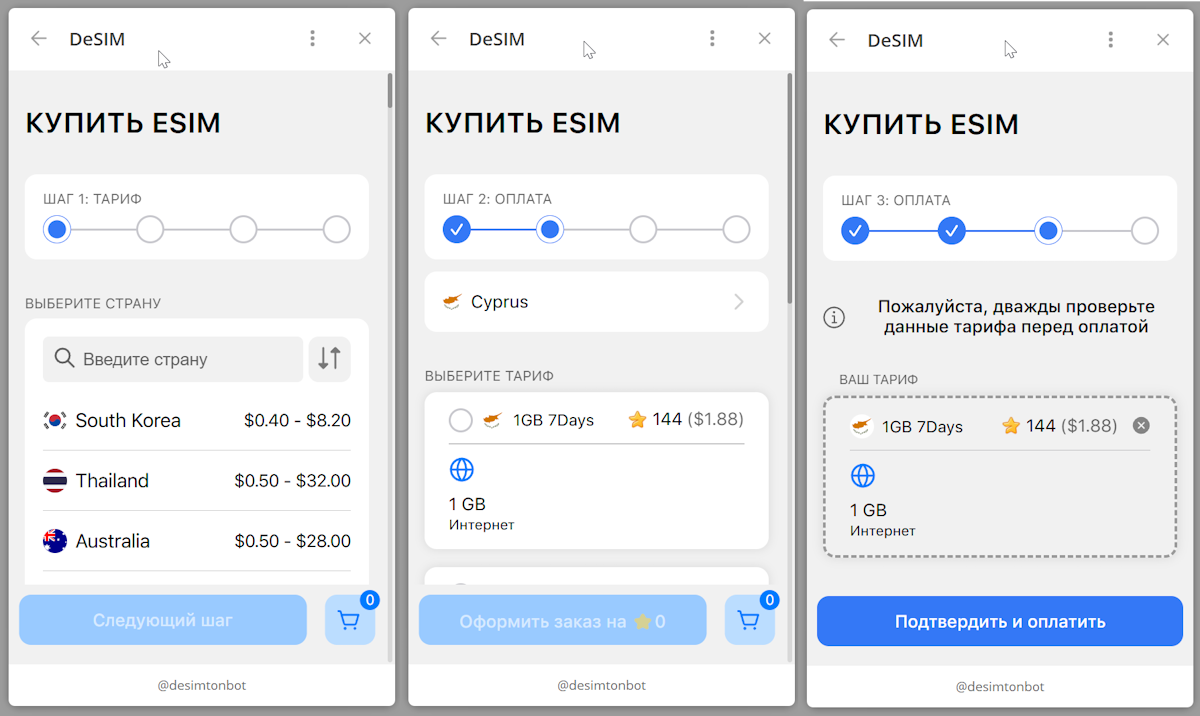
When comparing prepaid and postpaid unlimited digital SIMs for eSIM unlimited data, the core difference lies in payment structure and flexibility. Prepaid eSIM unlimited data requires upfront payment, often for a fixed period like 30 days, with no billing surprises and no credit checks or long-term contracts. In contrast, postpaid unlimited data eSIMs bill you monthly after usage, typically offering features like bundled streaming services or higher-speed caps. For eSIM users, prepaid plans provide immediate activation and easy plan switching, while postpaid options may include more consistent network priority. Choosing between them depends on whether you prioritize financial control or network perks, with prepaid favoring travelers or budget-conscious users.
Upfront payment benefits for short-term trips
For short-term trips, upfront payment means you pay once and forget about it—no surprise fees or data cuts mid-vacation. This model gives you complete cost control for short-term trips, letting you budget exactly what you need without watching the clock. You get activation that instantly unlocks your unlimited data from the moment you land, so you’re connected from the airport without fumbling with credit card details. No monthly bills, no auto-renewals—just a single, simple purchase that covers your entire week or weekend away. It’s liberating to know your internet access is fully handled before you even leave home.
Monthly subscription tiers for remote workers
For remote workers, monthly subscription tiers usually break down by speed caps and data limits, not just “unlimited” labels. A budget tier might throttle you to 5Mbps after 50GB—fine for emails and Slack, but terrible for video calls. Mid-tier plans often offer full-speed unlimited data for remote work, crucial when you’re jumping between Zoom and cloud uploads without hiccups. The premium tier typically adds hotspot allowances, so you can share your connection with a laptop. Peak-hour deprioritization can still make the cheapest “unlimited” plan feel sluggish during busy afternoons.
Q: Do the monthly tiers let me switch from a prepaid to postpaid plan mid-cycle?
Only if the provider specifically allows a plan change, but most require you to finish the current billing period before switching, so check the fine print.
Hidden fees in pay-as-you-go versus contract models
Pay-as-you-go unlimited eSIMs often hide fees in throttling triggers, where “unlimited” data slows dramatically after a small high-speed cap, rendering the service nearly unusable without paying extra for more priority data. Contract models, while upfront about their monthly price, typically bury fees in early termination penalties, device installment interest, or activation charges that add $50–$100 to the first bill. The pay-as-you-go model’s real cost emerges in “top-up” increments for restored speeds, a hidden expense that contract users avoid with a fixed, predictable rate.

- Pay-as-you-go: surprise charges for high-speed data boosters after the soft cap
- Contract: activation and SIM fees often undisclosed until checkout
- Pay-as-you-go: no termination fee, but daily/weekly auto-renewal fees can accumulate if unused
Device Compatibility and Activation Tips
For eSIM unlimited data, device compatibility is non-negotiable; ensure your phone is carrier-unlocked and supports eSIM profiles, not just dual-SIM. Before purchasing, check your device’s IMEI on the provider’s site or in settings under “Cellular” or “Mobile Data.” Activation typically requires scanning a QR code, but manual entry of the SM-DP+ address and activation code is a reliable backup. Always install the eSIM on a stable Wi-Fi connection to avoid partial activation. If data doesn’t appear instantly, toggle Airplane Mode or reboot the device. For iPhones, assign the eSIM line for data exclusively; on Androids, set it as the preferred data SIM. Test in a strong signal zone first—some unlimited plans deprioritize after high usage, but proper activation ensures your eSIM unlimited data works seamlessly from the first byte.
Which smartphones support dual SIM with embedded chips
For dual SIM with embedded chips supporting eSIM unlimited data, most recent flagship models from Apple, Samsung, and Google enable one physical nano-SIM alongside an embedded eSIM. The iPhone 13 series and newer, Samsung Galaxy S20 series and newer (excluding S20 FE), Google Pixel 4a and later, and Motorola Razr 5G all support this hybrid configuration. A key limitation: dual active eSIMs without a physical card are only available on iPhone 13 Pro, iPhone 14 series (US models), and Pixel 7a and later. Below is a comparison of dual SIM support types across these devices.
| Device | Physical SIM + eSIM | Dual eSIM (No Physical) |
|---|---|---|
| iPhone 13–15 Series | Yes | Yes (Pro models; US 14/15 only) |
| Samsung Galaxy S22/S23/S24 | Yes | No (region dependent) |
| Google Pixel 6/7/8 Series | Yes | Yes (Pixel 7a & later) |
| Motorola Edge+ (2023) | Yes | No |
Step-by-step profile download without physical insertion
For eSIM unlimited data activation, begin by ensuring your device is carrier-unlocked and lists eSIM capabilities in settings. Access the “Add Cellular Plan” menu, then scan the QR code or manually enter the activation details provided by your data provider. Confirm the profile download over Wi-Fi to avoid cellular interruptions. Once the installation prompt appears, tap “Continue” and follow the on-screen labels—do not remove your physical SIM until the digital profile is fully active. Restarting the device finalizes the connection, allowing immediate unlimited data use without handling a physical card.
Troubleshooting common connectivity errors on iPhones and Androids
When your eSIM unlimited data won’t connect, start by toggling Airplane Mode for 30 seconds to refresh the network. On iPhones, go to Settings > Cellular > tap your eSIM and ensure “Turn On This Line” is active. On Androids, check Settings > Connections > SIM Manager and confirm the eSIM is selected for data. If still offline, manually reset network settings without erasing other data—this clears misconfigured APN profiles. For persistent issues, remove and re-download the eSIM profile from your carrier’s app.
- Restart the device to force a fresh registration on the network.
- Update carrier settings (iOS) or software (Android) to fix compatibility glitches.
- Contact your provider to verify the eSIM is provisioned for unlimited data.
Data Security When Using Always-On Mobile Networks
With your eSIM unlimited data always humming in the background, you barely think about the constant stream of handshakes with roaming towers. That persistent connection, while freeing, silently exposes you: a malicious hotspot could intercept your eSIM’s provisioning data during a network re-negotiation. Your unlimited plan’s always-on hunger for bandwidth makes you a richer target for session hijacking, especially in crowded airports or cafes where fake cells are set up. A robust eSIM management app must harden against over-the-air cloning attempts by enforcing strict cryptographic checks with every re-authentication. You physically lock your phone’s SIM tray—yet the eSIM’s digital identity demands equally vigilant, automatic port-out defenses. Ironically, the seamless handoff that makes unlimited data liberating is the very moment a quick side-channel leak could expose your travel patterns to local snoops.
Encryption standards across different international carriers
When using an eSIM for unlimited data, encryption standards vary significantly between international carriers. European and Asian providers commonly deploy **AES-256 encryption** for your data in transit, offering robust protection against interception. In contrast, some carriers in other regions rely on weaker AES-128 or outdated protocols, which create vulnerabilities in always-on mobile networks. Before purchasing an eSIM plan, verify the carrier’s encryption strength; a mismatch in standards can expose your browsing and streaming activity on foreign networks. Prioritize providers that explicitly state end-to-end encryption for all traffic, ensuring your data remains secure regardless of the local infrastructure.
VPN usage alongside unlimited data for privacy
Pairing a VPN with eSIM unlimited data transforms always-on connectivity into a shielded tunnel, ensuring your browsing habits stay hidden from your provider. Unlike throttled plans, unlimited data lets you keep the VPN running constantly without sacrificing speed or hitting caps. This means every packet—whether streaming, working, or messaging—is encrypted, blocking snooping on public or carrier-level networks. For maximum privacy, choose a VPN with a kill switch and no-log policy for always-on eSIM privacy, preventing leaks if the connection drops. Your IP and location vanish, turning unlimited data into an anonymous, unrestricted gateway.
A VPN layered on eSIM unlimited data encrypts all traffic, masks your IP, and prevents carrier snooping, turning limitless connectivity into a private, always-on fortress.
Risks of public Wi-Fi alternatives versus cellular roaming
Using public Wi-Fi as an alternative to cellular roaming introduces data interception risks, such as man-in-the-middle attacks, which are absent when using direct eSIM cellular tunnels. Roaming over an eSIM encrypts all traffic end-to-end, whereas Wi-Fi hotspots expose unencrypted data even with VPNs. Cellular roaming mitigates credential theft because it avoids the shared, unverified infrastructure of public networks. However, a spoofed eSIM profile could redirect data to a malicious gateway, though this requires direct SIM compromise.
Public Wi-Fi risks interception and spoofed portals, while eSIM cellular roaming centralizes security but depends on carrier integrity for traffic protection.
Cost Analysis Across Different Continents
Navigating Cost Analysis Across Different Continents for eSIM unlimited data reveals sharp price disparities. In Europe and North America, a month of truly unlimited high-speed data often commands $80–$120 due to premium infrastructure. Travelers see dramatically lower rates in Asia, where regional plans covering multiple countries can cost under $50 for similar thresholds, though “unlimited” may throttle after 10–20GB. Oceania and Africa present the toughest value: limited competition drives day passes above $15, while South America offers mid-range pricing with aggressive, deprioritized unlimited caps near $60. The smartest move is to pinpoint your destination’s local eSIM carrier, as global roamers rarely beat regional plans on per-gig cost efficiency.
Budget-friendly unlimited passes in Southeast Asia
For travelers seeking budget-friendly unlimited passes in Southeast Asia, eSIM providers offer high-value options that avoid roaming fees. A typical unlimited data pass for 7-10 days costs between $5 and $15, covering major tourist hubs like Thailand, Vietnam, and Indonesia. To activate the most cost-effective plan:
- Compare passes on platforms like Airalo or Holafly, focusing on regional coverage (not single-country).
- Select a 15–30-day pass if staying in multiple countries, as per-day costs drop significantly.
- Ensure the pass explicitly lists “unlimited at reduced speeds” after a daily high-speed cap (usually 1–3 GB).
These passes are optimized for maps, messaging, and light streaming, making them ideal for budget-conscious exploration.
Premium pricing for European Union coverage
Premium pricing for European Union coverage reflects the high demand for seamless connectivity across multiple countries. With a single unlimited data eSIM for Europe, you bypass roaming fees but pay a significant premium compared to single-region plans. The cost structure typically follows a clear sequence: first, you select a data cap (e.g., 20GB at full speed), then the provider tacks on a price multiplier for pan-EU access. This premium often includes priority network access in capitals like Paris or Berlin.
- Base unlimited plan price is doubled for EU-wide coverage.
- Throttling thresholds are stricter to subsidize network agreements.
- Billing cycles are shorter (7-30 days) to justify the higher per-day rate.
Budget travelers may find this costly, but for business users, the flat-rate predictability outweighs the expense.
Affordable long-term options for North American travelers
For North American travelers, affordable long-term unlimited data eSIMs are often the most economical choice. Plans like 30-day or 90-day options from providers such as Airalo or Holafly offer significant per-day discounts versus short-term passes. A 90-day unlimited plan typically costs between $100 and $150 USD, eliminating the need for monthly renewals. This approach is especially practical for extended trips across the US and Canada, providing consistent high-speed data without roaming fees. Comparing these multi-month packages against daily rates reveals substantial long-term savings for travelers staying a month or longer.

Future Trends in Borderless Data Services
The horizon of borderless data services points toward eSIM plans that intelligently aggregate local networks on the fly, making “unlimited data” feel truly infinite. Future eSIMs will dynamically switch between 5G-Advanced and satellite backhauls without user input, eliminating dead zones entirely. This means your unlimited data plan will automatically prioritize low-latency connections for real-time collaboration while reserving bulk bandwidth for heavy downloads—all without throttling. Expect seamless AI-driven optimization that learns your roaming patterns, pre-emptively connecting to the fastest available infrastructure. The result is an always-on, globally consistent data experience where “unlimited” loses its asterisks and becomes a fluid, environment-aware utility.
Satellite eSIM integration for remote areas
Satellite eSIM integration for remote areas enables true unlimited data beyond terrestrial towers, providing seamless connectivity where traditional signals fail. This allows users to maintain high-speed access for critical tasks like real-time navigation and emergency communication, with devices automatically switching to satellite networks when out of range. Seamless satellite-to-cellular handover ensures no connection drops or manual intervention. To activate this capability effectively:
- Verify your device supports both cellular and satellite eSIM profiles simultaneously.
- Choose an eSIM plan specifically designed for hybrid satellite-terrestrial coverage in remote regions.
- Enable automatic network selection to prioritize terrestrial when available, using satellite as a reliable backup.
AI-driven network selection for optimal speed
AI-driven network selection for optimal speed ensures your eSIM automatically latches onto the fastest available local carrier, dynamically shifting between 4G, 5G, and emerging 6G bands without manual intervention. This real-time analysis of latency and throughput allows your unlimited data plan to deliver persistent high-speed connectivity even during congestion, as the AI predicts signal degradation and pre-emptively migrates traffic. The result is consistently peak throughput for streaming and video calls, regardless of location.
AI-driven network selection for optimal speed guarantees your eSIM constantly routes data through the fastest open channel, eliminating buffering and lag by adapting instantly to network conditions.
Regulatory changes impacting unlimited global roaming
Regulatory changes are reshaping how unlimited global roaming is offered on eSIMs. New data caps tied to local fair-use policies now require providers to enforce speed throttling after certain usage thresholds, preventing true unlimited consumption. Consumer-protection mandates also demand transparent disclosure of these limits, eliminating hidden throttling clauses. Additionally, roaming spectrum reallocation by regulators restricts how much bandwidth virtual operators can lease abroad, forcing eSIM plans to incorporate localized data routing for compliance. These shifts ensure that “unlimited” global roaming is legally redefined as a facilitated, rather than unrestricted, service.